
Loading...
Serving Miami Gardens, FL and surrounding areas. (645) 300-7302
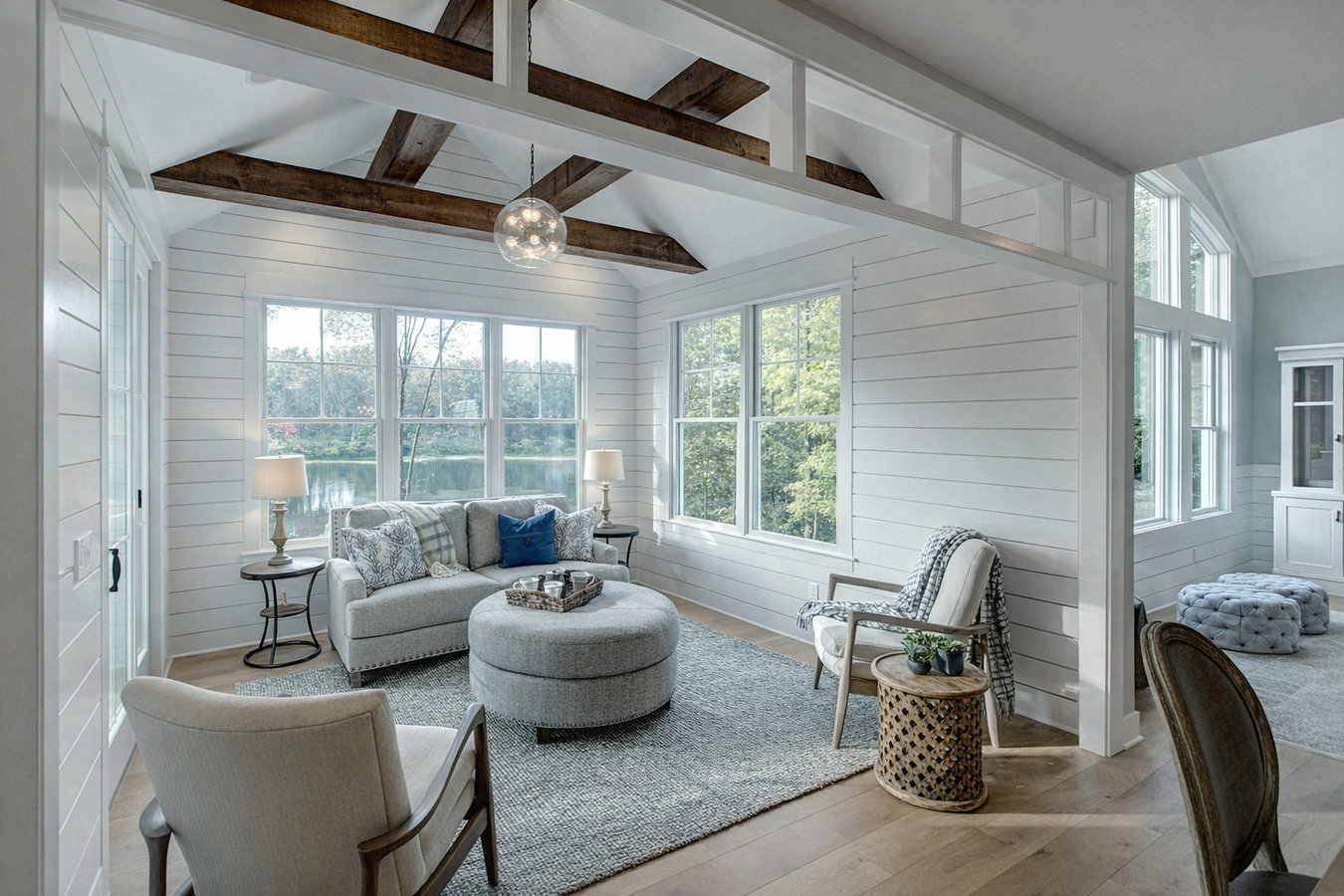
Building a sunroom without a solid plan means expensive surprises down the road. We map out your layout, materials, and permits before any work starts - so your finished room looks right, holds up through hurricane season, and passes county inspection the first time.
Sunroom design in Miami Gardens covers everything that happens before construction begins - site assessment, space planning, material selection, permit preparation, and HOA coordination - so when the crew shows up, they are building a room that was thought through, not improvised.
Most Miami Gardens homeowners want a sunroom because their outdoor space is unusable for half the year. The design phase is where you figure out how to solve that problem without creating new ones - drainage that works with your flat lot, glass that blocks South Florida heat, and a roofline that connects naturally to your existing home. Getting these decisions right at the start is what separates a room that works from one that feels like an afterthought.
Homeowners who already have a clear direction and are ready to build can look at our vinyl sunrooms service for a complete installation path. Those who want a fully customized footprint and finish should explore custom sunrooms to see how we build to a specific plan from the ground up.
If the Miami heat and humidity make your patio genuinely unusable for half the year, you already know the problem. A sunroom solves it - but only if the design accounts for South Florida's summer climate. A room with the wrong glass or no dedicated cooling becomes its own problem within the first season.
Screen enclosures are common in South Florida, but they do not block heat, they let in blowing rain, and they offer no real privacy. If you are retreating inside every time a storm rolls through or the afternoon sun hits your enclosure hard, you have outgrown what a screen can do. A properly designed sunroom gives you a fully enclosed, comfortable space that works in any weather.
If your home feels tight but a full room addition feels like too much disruption and cost, a sunroom is a practical middle ground. It adds real, usable square footage - a reading area, a dining space, a home office - without tying into your home's interior walls. The design phase determines exactly how that new space connects to what you already have.
Miami Gardens sits on flat land with a high water table. If water collects near your foundation or back entry after summer storms, a sunroom needs to be designed carefully so it does not make that worse. This is exactly the kind of issue that gets addressed in the design phase - not discovered during construction when it is expensive to fix.
We walk through your property, take measurements, assess drainage, and map out exactly where and how your sunroom will sit on your lot. Then we put together drawings you can review and revise before anything is submitted to the county. For homeowners choosing frame materials, our vinyl sunrooms service covers the full installation process with a low-maintenance framing system - one of the most popular choices for Miami Gardens homes because of how well it holds up in humidity and salt air.
For homeowners with a specific vision - unusual lot shapes, roofline matches, or interior layouts that need to flow naturally from an existing room - our custom sunrooms service builds from your design brief rather than a catalog of standard options. Either direction, the design phase is where you lock in decisions about glass, roofing, flooring, and cooling before a permit is filed.
For homeowners starting from scratch - we walk your property, note drainage patterns, and map the sunroom footprint before any design decisions are made.
For homeowners who need guidance on what actually performs in South Florida - we specify glass coatings, frame materials, and roofing systems that hold up in Miami Gardens' heat, humidity, and hurricane season.
For homeowners who want a smooth approval process - we prepare the drawings Miami-Dade County requires and submit the permit application on your behalf, handling back-and-forth with the building department.
For homeowners in governed communities - we prepare the documentation your HOA architectural committee typically needs and help you understand the approval timeline before the county permit is filed.
Miami-Dade County has some of the toughest wind and storm construction requirements in the country, updated after Hurricane Andrew in 1992. Any sunroom built here must use impact-resistant glass or approved storm protection, and the structure must be engineered for hurricane-force winds. On top of that, Miami Gardens sits on flat land with a high water table - meaning drainage has to be part of the design conversation from day one. A design plan that ignores either of these realities will either fail the county inspection or create water problems within the first few rainy seasons. We have worked on homes throughout Miami Gardens and know what the building department expects to see in a permit submission.
A significant number of Miami Gardens homes are also governed by HOAs, many of which have specific rules about exterior additions - approved colors, materials, and how the structure looks from the street. Skipping the HOA coordination step and finding out after the county permit is filed that your association has objections is one of the more frustrating experiences in home improvement. We raise the HOA question at the very first meeting and handle the design documentation your association needs before anything else moves forward. Homeowners in Hialeah and surrounding areas face similar permitting and HOA dynamics, and we bring that same process discipline to every job we take on.
We ask a few basic questions - how you plan to use the room, rough size, and whether you have an HOA. You will hear back within one business day of reaching out, and we schedule a time to visit your property in person.
We walk your yard, take measurements, check drainage patterns, and review where the sunroom will connect to your existing home. Within one to two weeks, we present a design proposal and written estimate - no pressure to sign at that visit.
Once you approve the design and sign a contract, we submit the permit application to Miami-Dade County on your behalf. If you have an HOA, we prepare the drawings they need at the same time. County review typically takes four to ten weeks.
With the permit in hand, work begins. After construction wraps, Miami-Dade County sends an inspector to verify the work. We schedule that inspection and walk through the finished room with you before we call the job complete.
No obligation - we visit your property, walk your yard, and give you a written design proposal. Most homeowners hear back within one business day.
(645) 300-7302Miami-Dade has its own product approval system on top of the Florida Building Code, and getting a permit here requires more than a standard submission. We know what the county expects and submit complete applications the first time - which matters when permit review alone can take up to ten weeks.
We ask about your HOA at the first meeting and prepare the architectural drawings your association needs before filing anything with the county. Getting HOA and permit processes running in parallel keeps your project from stalling out between approval stages.
Every sunroom we design uses glass and structural components that meet Miami-Dade's wind and storm requirements - the toughest in the country. We do not treat that as an optional upgrade. The materials we specify are what it takes to pass inspection and hold through a serious storm, not just a light rain.
Miami Gardens has a mix of ranch homes, split-levels, and mid-century concrete block construction - and a sunroom that works well on one style can look awkward on another. We design to your roofline, your exterior materials, and your interior layout so the finished room looks like it was always there.
Taken together, these are the things that determine whether your project finishes on time, passes inspection, and looks the way you planned it. You can verify that any Florida contractor holds an active license through the Florida Department of Business and Professional Regulation, and review Miami-Dade County building permit requirements before signing any contract.
If your design calls for low-maintenance framing that resists rust and moisture, vinyl is a practical choice for Miami Gardens homes - especially near canals or salt air.
Learn MoreFor homeowners who want a room built to a specific footprint, roofline match, or interior layout, our custom sunroom service takes your design from concept to permitted structure.
Learn MorePermit slots with Miami-Dade County fill up - the sooner we submit your application, the sooner your new room is ready to use. Call us or send a message today.