Loading...
Serving Miami Gardens, FL and surrounding areas. (645) 300-7302
MG Miami Gardens Sunrooms & Patios brings sunroom contractor services to Homestead, FL, including patio cover installation, screen room enclosures, and sunroom additions built for the city's post-Andrew CBS homes and South Florida's demanding hurricane-season climate. We have served South Florida homeowners since 2023 and respond to every Homestead inquiry within one business day.
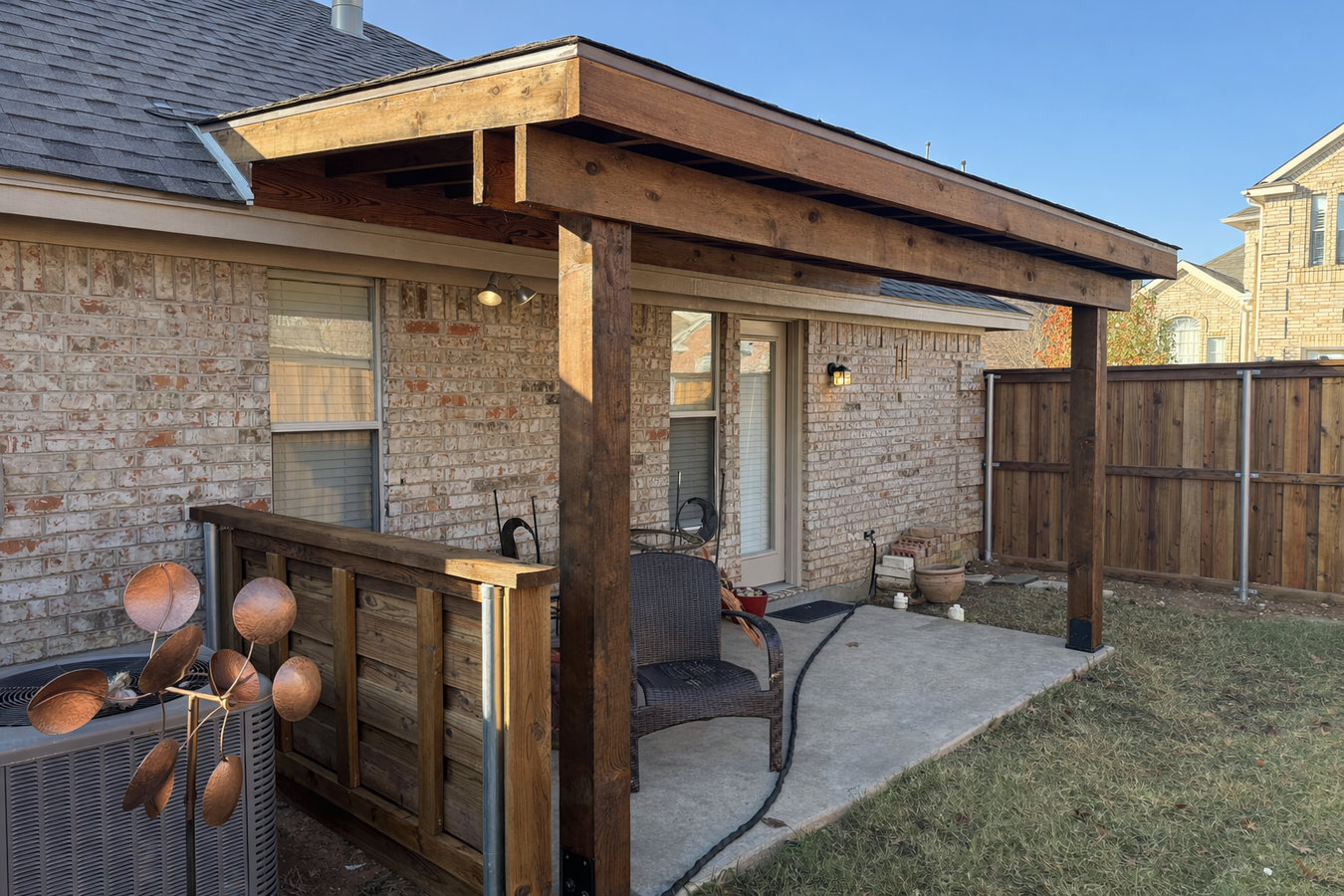
Homestead's afternoon sun is intense from March through October, and an uncovered rear patio is barely usable during those months without shade overhead. A patio cover attached to the back of your home blocks direct sun and keeps the rain out during the afternoon thunderstorms that roll through Homestead almost daily in summer, turning an ignored concrete slab into a space your family actually uses. We build patio covers to Miami-Dade County high-velocity hurricane zone standards, which means they are engineered for the real wind loads this area sees.
Homestead's proximity to the Everglades means mosquito pressure is real and persistent, particularly from May through October when standing water in flat yards provides breeding conditions. A screened enclosure lets you sit outside in the evening without spraying repellent or retreating indoors. We use heavy-gauge aluminum frame systems with no-see-um mesh options for properties on the western edge of the city where smaller insects are a seasonal concern.
Many Homestead homes rebuilt after Hurricane Andrew in 1992 are now 30 years old, and their original layouts did not include much dedicated indoor-outdoor living space. A sunroom addition at the rear of a CBS home expands the footprint without altering the main roofline and adds permitted living space that is recorded in the property record. For homeowners in newer subdivisions like Waterstone who are looking to differentiate their home in a neighborhood of similar floor plans, a well-designed sunroom is a practical way to add value.
Homestead's rainy season drops several inches of water in a single afternoon, and an open or screened patio becomes unusable the moment a storm rolls in. A fully enclosed patio with a solid insulated roof and either glass or panel walls keeps the space dry and usable even during heavy rain, and because it is climate-controlled, it functions as a real room rather than a transitional space. On flat lots where the original slab may have minor settling from wet-dry soil cycles, we assess the existing concrete before proposing how the enclosure connects to the home.
Homestead does not have a cool season that forces homeowners indoors - it has a hot season and a very hot season, with humidity high almost every month. An all season room built for this climate needs insulated walls and roof panels rated for South Florida's heat load, low-E glass that blocks infrared without darkening the room, and a dedicated mini-split rather than an extension of the existing home HVAC. Post-Andrew homes often have HVAC systems that are adequately sized for the original floor plan but cannot handle the additional load of a new room without dedicated cooling.
Homestead's winter months from November through March are genuinely pleasant - low humidity, mild temperatures in the 60s and 70s, and the kind of weather that makes outdoor living comfortable. A three season sunroom is designed for exactly this climate, providing a ventilated, screened space that works beautifully in winter and spring without the full cost of a climate-controlled four season room. For homeowners who plan to use the space primarily in the cooler months, this is a practical and affordable option.
Homestead occupies a unique position in South Florida. It sits at the southernmost edge of Miami-Dade County, bordered by Everglades National Park to the west and Biscayne National Park to the east. That geography means the city deals with conditions that are more extreme than most of its neighbors - flat terrain with almost no natural drainage, a very high water table close to the surface, and intense exposure to hurricane-force winds when storms track across the southern tip of Florida. Most of the current housing stock was built after Hurricane Andrew leveled the city in 1992, meaning a large share of homes are concrete block construction from the 1993-to-2005 period, built to the post-Andrew version of the Florida Building Code. Those homes are now 20 to 30 years old and are entering the age range where exterior materials, slabs, and structural connections all benefit from a professional inspection before any new attached structure is added.
The climate presents its own challenges. Homestead averages more than 60 inches of rain per year, nearly all of it falling between June and October in intense afternoon thunderstorms. The flat lots and marl-and-sand soil typical of the area drain slowly, which means standing water near foundations and slabs is a seasonal norm rather than an exception. Any new slab poured for a patio cover or sunroom addition needs proper grading to redirect that water away from the structure and the home. Homestead also falls within Miami-Dade County's high-velocity hurricane zone, which applies stricter structural engineering requirements than most of the rest of Florida. Every attached structure we build here is engineered, permitted, and inspected to those requirements.
Our crew works throughout Homestead regularly, and the post-Andrew CBS homes we encounter here have construction characteristics that differ from older housing stock elsewhere in South Florida. Because so much of the city was rebuilt in the 1990s to the updated Florida Building Code, the structural connections in these homes are generally sound - but the slabs are now at an age where moisture cycling from Homestead's wet summers has caused minor cracking and settlement on many properties. We check the existing slab during every site visit and note any areas that need attention before new footings or patio surfaces are added adjacent to them.
Homestead is a city most people know as the gateway to the Everglades and Biscayne National Parks, and the community along Krome Avenue and around the Homestead-Miami Speedway area has a working-class, family-oriented character that has been part of the city's identity since long before the surge of new subdivision development to the north and east. We have worked on homes throughout the city, from the older downtown neighborhoods to the newer planned communities, and the permit process here runs through the City of Homestead Building Division - a process we handle from start to finish.
We also serve homeowners in Miami Gardens and the surrounding South Florida area, so if you have family in a neighboring city who needs sunroom work done, we cover that territory too. For homeowners in Miami to the north, we bring the same Homestead-level attention to local building conditions to every project we take on in the region.
Contact us by phone or through the estimate form and we respond within one business day. We schedule the on-site visit at a time that works for you - no long waits for the first callback.
We walk the property, check the existing slab condition, and assess any drainage or structural factors specific to your lot. The written estimate covers all work including any slab preparation, materials, permit fees, and labor - no surprise line items after you sign.
We prepare the complete permit package - drawings, engineer stamp, and product documentation - and file it with the Homestead Building Division. Review in Homestead typically runs two to four weeks, and we keep you updated through the process.
Once the permit is in hand, construction begins. Most patio covers and screen rooms are completed in one to two weeks. Fully enclosed sunroom additions take three to four weeks. We schedule the city final inspection and walk through the finished space with you before closing out the project.
We serve Homestead and the surrounding area. Free estimates, no obligation, and we handle the permit process from start to finish.
(645) 300-7302Homestead is a city of roughly 75,000 people at the southern tip of Miami-Dade County, sitting at the gateway to two of Florida's most visited national parks - Everglades National Park to the west and Biscayne National Park to the east. The city's identity is shaped by its agricultural history - Homestead and the surrounding Redland area grow tropical fruits and vegetables for markets across the country - and by its resilience after Hurricane Andrew, which struck the area directly in 1992 and destroyed most of what existed at the time. The city that exists today was largely rebuilt in the 1990s and 2000s, and that rebuilding gives Homestead's housing stock a consistency in construction type and age that you do not find in most other South Florida cities.
The housing landscape in Homestead is predominantly single-family, with a large share of concrete block homes on modest flat lots built between 1993 and the early 2000s. Newer subdivisions like Waterstone on the eastern side of the city attract families moving south from Miami as home prices push further out of reach in the city. Older neighborhoods near downtown Krome Avenue and around the Homestead-Miami Speedway retain more of the pre-Andrew character. The city also has a significant population of military families connected to Homestead Air Reserve Base, which creates a steady market for home improvements as families settle in for multi-year assignments. Neighbors in Coral Springs to the north deal with similar CBS construction but face different drainage and wind exposure conditions than homeowners in this southernmost part of Miami-Dade.
Add beautiful, livable square footage to your home with a custom sunroom.
Learn MoreEnjoy your sunroom comfortably in any season with full climate control.
Learn MoreAn affordable, ventilated sunroom perfect for spring, summer, and fall.
Learn MoreTransform your open patio into a protected, functional outdoor living space.
Learn MoreProfessional ground-up sunroom construction completed on time and on budget.
Learn MoreRefresh and upgrade your existing sunroom to modern standards and comfort.
Learn MoreKeep insects out while letting fresh air and natural light flow freely.
Learn MoreConvert your existing patio slab into a fully enclosed, finished sunroom.
Learn MoreTurn your deck into a year-round enclosed room you can actually live in.
Learn MoreEnclosed patio rooms that extend your living space with style and comfort.
Learn MoreGlass-ceiling solarium rooms that flood your home with warmth and natural light.
Learn MoreDurable patio covers that provide shade and shelter for your outdoor space.
Learn MoreLow-maintenance vinyl sunrooms that are durable, efficient, and long-lasting.
Learn MoreWe are ready to visit your Homestead property, assess the existing conditions, and put together a written estimate at no cost to you. Call today or fill out the form and we will be in touch within one business day.